Forklifts are the workhorses of warehouses, manufacturing floors, and distribution centers. Day after day, they lift, move, and stack thousands of pounds of material. But even the most reliable equipment will eventually show signs of wear, and catching those signs early can mean the difference between a quick repair and a catastrophic failure.
The good news is that forklifts rarely break down without warning. There are almost always signs that something is wrong before a major problem occurs. The challenge is making sure the people who operate these machines every day know what to look for and feel empowered to speak up when they notice something off.
In this guide, we will walk through the warning signs that indicate your forklift needs immediate attention, explain why trained operators are your first line of defense, and outline how to build a reporting culture that keeps your operation running safely.
Why Early Detection Matters
When a forklift breaks down unexpectedly, the costs add up quickly. Emergency repairs almost always cost more than scheduled maintenance, and the downtime while waiting for parts or a technician can bring your operation to a standstill. If you are running a lean team or operating on tight deadlines, even a few hours of lost productivity can have ripple effects throughout your business.
But the financial impact pales in comparison to the safety risks. A forklift with failing brakes, a leaking hydraulic system, or a damaged mast is not just an inconvenience. It is a danger to everyone in the facility. According to OSHA, forklift accidents cause approximately 85 deaths and 34,900 serious injuries every year in the United States. Many of these incidents involve equipment that was showing warning signs before the accident occurred.
Early detection is not just about saving money on repairs. It is about protecting your people.
Warning Signs That Require Immediate Attention
Operators who spend hours on a forklift every day develop an intuitive sense of how the machine should sound, feel, and perform. When something changes, they often notice before anyone else. Here are the specific warning signs that should trigger an immediate service call.
Unusual Sounds
Forklifts are not quiet machines, but operators learn to distinguish normal operating sounds from sounds that indicate a problem. Grinding or squealing noises from the engine or transmission often indicate worn bearings, failing belts, or low fluid levels. Knocking sounds can point to engine problems or issues with the hydraulic pump. A hissing noise is particularly concerning because it often indicates a hydraulic leak, which can lead to sudden loss of lifting power. Clicking sounds when turning may indicate problems with the steering system or CV joints.
Visual Red Flags
A quick walk around the forklift before each shift can reveal problems that might otherwise go unnoticed. Puddles or stains under the machine suggest fluid leaks, whether oil, hydraulic fluid, coolant, or fuel. Any visible damage to the forks themselves, including bends, cracks, or uneven wear, is a serious safety concern since forks can fail catastrophically under load. Damage to the mast or carriage should also be addressed immediately. Worn or damaged tires affect stability and control, while frayed or exposed wiring creates fire and electrical hazards. Any smoke or unusual exhaust color warrants immediate investigation.
Performance Issues
Changes in how the forklift performs are often the clearest indicators that something is wrong. Sluggish lifting or tilting can indicate hydraulic problems, low fluid levels, or worn pumps. Steering that pulls to one side suggests alignment issues, tire problems, or steering system wear. Brakes that feel soft, spongy, or require more pressure than usual need immediate attention since brake failure is one of the most dangerous forklift malfunctions. Difficulty starting, rough idling, or unexpected loss of power can point to fuel system, electrical, or engine problems.
Physical Indicators
Sometimes the operator can feel that something is wrong even when they cannot see or hear the problem. Excessive vibration that was not present before can indicate engine mounts, wheel bearings, or drivetrain issues. Unusual heat coming through the seat or floorboard may suggest exhaust leaks, brake drag, or transmission problems. Resistance or stiffness in the controls can point to hydraulic issues or mechanical wear in the steering or lift systems.
The Role of Trained Operators in Equipment Health
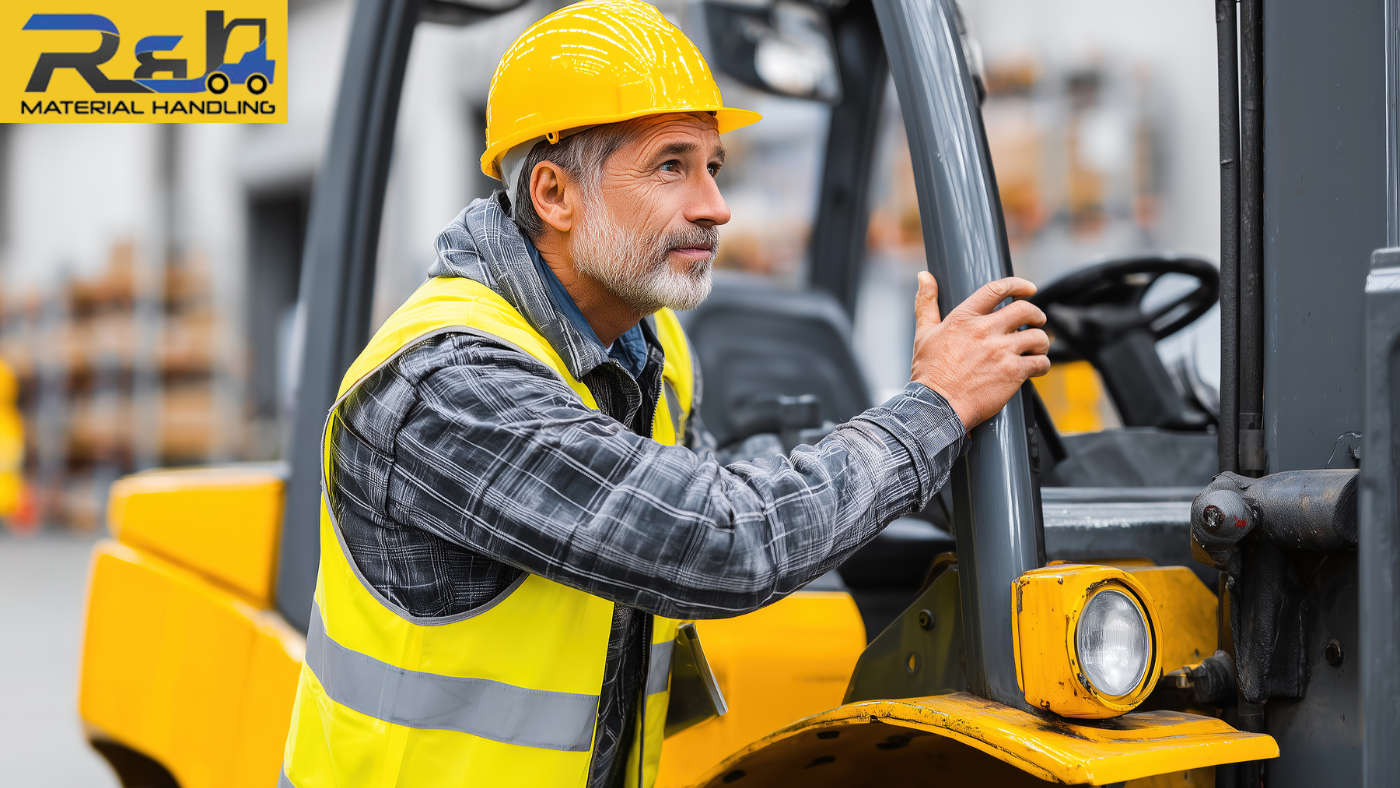
Your forklift operators interact with the equipment more than anyone else in your organization. They are the first to notice when something feels different, sounds wrong, or does not perform the way it should. This makes them invaluable for early problem detection, but only if they have been trained to recognize warning signs and understand their importance.
Untrained operators may dismiss unusual sounds as normal machine noise. They may not recognize that a slight change in brake feel is the early warning of a serious problem. They may not know that the puddle under the forklift is hydraulic fluid and that operating the machine could cause a dangerous failure.
Comprehensive forklift training programs teach operators not just how to drive safely, but how to identify mechanical issues before they become dangerous. Programs like those offered by ROI Safety Services cover pre-shift inspections, warning sign recognition, and the importance of reporting concerns. When operators understand the why behind inspections, not just the how, they become active participants in equipment maintenance rather than passive users.
Training also creates a culture where operators feel empowered to speak up. When someone knows their concern will be taken seriously and that reporting a problem is valued rather than seen as complaining, they are much more likely to flag issues early.
Building a Reporting System That Works
Even the most observant, well-trained operator cannot prevent equipment problems if there is no clear path to report them. An effective reporting system should be simple, accessible, and taken seriously by management.
Start with a straightforward documentation process. This can be a paper checklist kept with each forklift or a digital system accessible via tablet or smartphone. The key is making it easy for operators to record what they observed and when. The documentation should capture the specific issue, the forklift identification number, the date and time, and the operator’s name.
Establish a clear escalation path so operators know exactly who to contact when they find a problem. For minor issues that do not affect safe operation, a maintenance request submitted through normal channels may be appropriate. For anything that could compromise safety, there should be a direct line to a supervisor or maintenance manager who can make an immediate decision about whether to take the forklift out of service.
Follow-up is critical. When operators report problems and never hear what happened, they stop reporting. Make sure operators know their concerns were addressed, whether that means a repair was made, the issue was inspected and found to be within normal parameters, or the forklift was taken out of service for further evaluation.
Finally, help operators understand the difference between issues that can wait for scheduled service and issues that require shutting down the machine immediately. Brake problems, hydraulic leaks, steering issues, and any visible damage to load-bearing components fall into the shut it down now category. Minor fluid seepage, cosmetic damage, or small performance changes may be able to wait for a scheduled service appointment, but they should still be documented and monitored.
Partnering with the Right Service Provider
Having trained operators who can spot problems early is only half the equation. You also need a maintenance partner who can respond quickly when issues are identified. The best service relationships are built on familiarity. A provider who knows your fleet, understands your operation, and has serviced your equipment before can diagnose problems faster and often has insight into recurring issues specific to your machines.
Look for a service provider who offers both scheduled maintenance programs and emergency service availability. Preventive maintenance catches many problems before operators ever notice them, while responsive emergency service minimizes downtime when unexpected issues arise. The combination of trained operators, regular preventive maintenance, and a reliable service partner creates a comprehensive approach to equipment health.
Conclusion
Your forklift operators are your first line of defense against costly breakdowns and dangerous equipment failures. When they know what to look for and feel confident reporting what they find, problems get caught early while they are still small and manageable.
Invest in comprehensive operator training that covers not just safe operation but also equipment inspection and warning sign recognition. Build a reporting system that makes it easy to document concerns and ensures those concerns are addressed. And partner with a service provider who can respond quickly when your team identifies a problem.
The combination of trained operators and responsive maintenance keeps your equipment running safely and your operation running smoothly. If it has been a while since your fleet has had a thorough inspection, or if you are interested in setting up a preventive maintenance program, contact RJ Forklift to discuss your needs.