Leasing vs. Buying Forklifts | Southern California

When it comes to material handling equipment, one of the biggest decisions businesses face is whether to lease or buy forklifts. The right choice depends on your cash flow, usage needs, and long-term plans—but understanding the pros and cons of each option can make the decision much easier.

The Case for Buying a Forklift

Buying a forklift outright makes sense for businesses with consistent, long-term equipment needs. Ownership means no monthly payments once the equipment is paid off, and the forklift becomes a depreciable asset on your balance sheet. If your operation runs the same equipment for many years and you have the capital available, purchasing can be cost-effective over time.

That said, buying also means taking on maintenance costs, repairs, and the risk of equipment becoming outdated as technology evolves—especially with the growing shift toward electric and lithium-ion forklifts.

Why Leasing Is a Smart Alternative

Leasing forklifts offers flexibility and predictability. Monthly payments are typically lower than loan payments, helping preserve cash for other areas of your business. Leasing also makes it easier to upgrade equipment at the end of the term, ensuring your fleet stays modern, efficient, and compliant with changing emissions and safety standards.

For businesses with fluctuating demand, seasonal operations, or rapid growth, leasing is often the smarter, lower-risk option.

R&J Forklifts’ Special Lease Offer

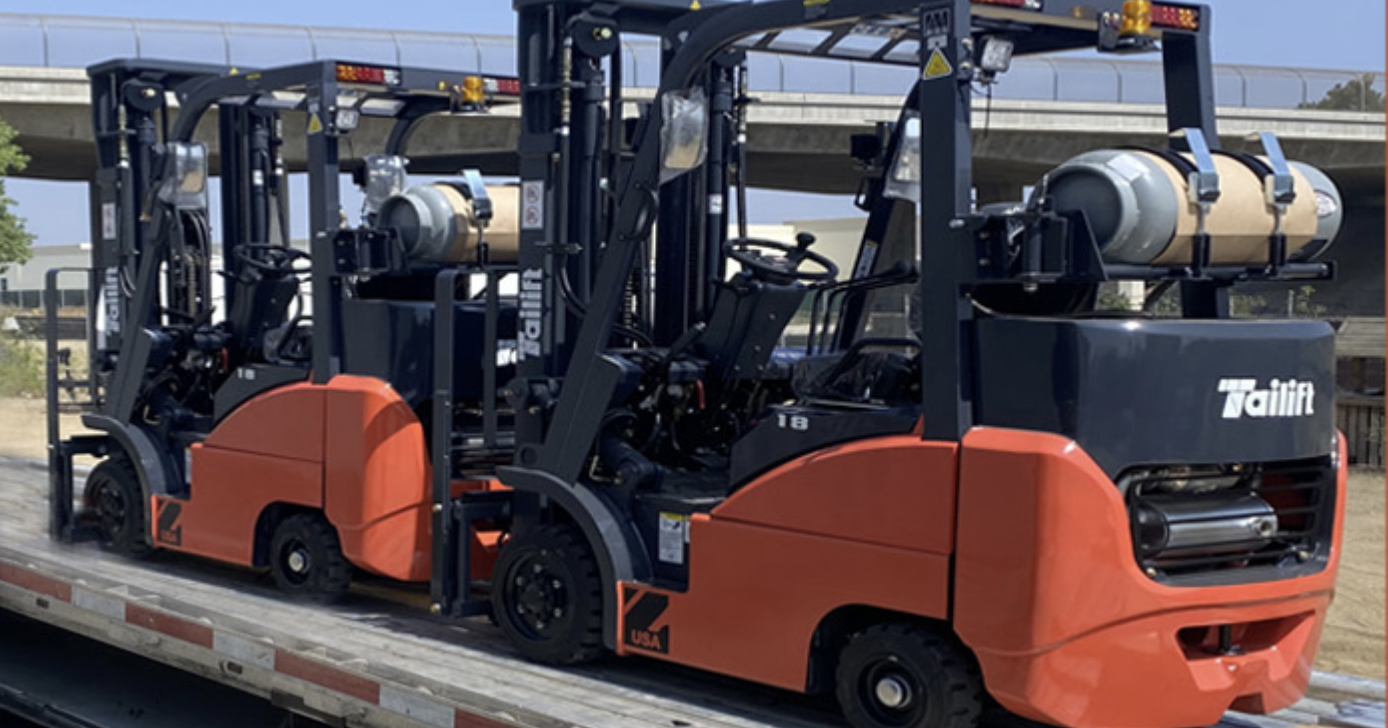
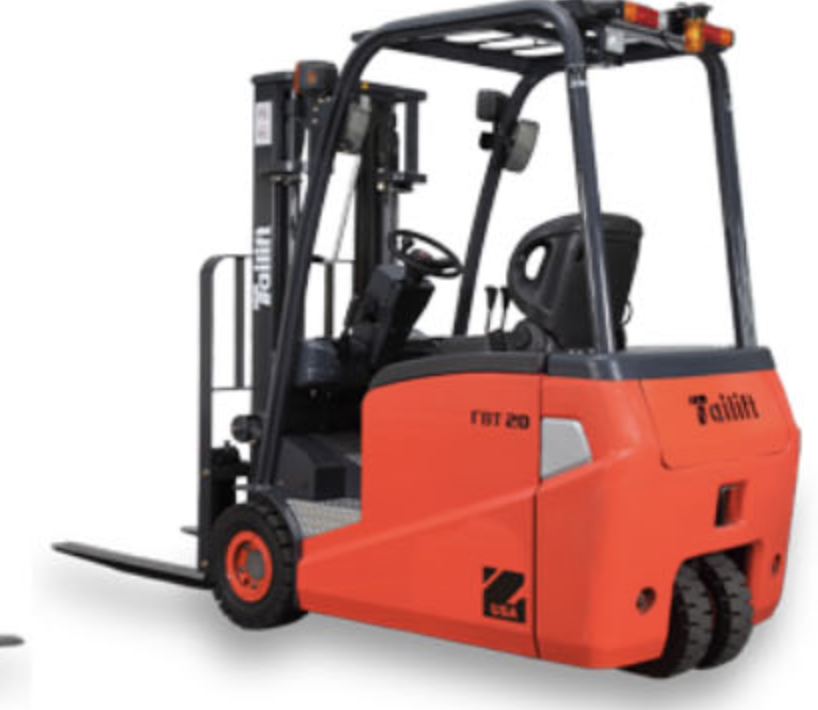
To make leasing even more attractive, R&J Forklifts is currently running a factory-backed lease special on Tailift forklifts, part of the Toyota Industries Group. These offers feature 60-month lease terms with 2,000 operating hours per year, providing predictable costs and dependable performance.

Current lease specials include:

  • PFG25 or PFG25C (internal combustion) starting at $439/month
  • PFG36 starting at $519/month
  • Electric models like ZFBT18, ZFBT20, and ZFB25C ranging from $519–$539/month
  • Electric forklifts include battery and charger, with select lithium options available

These leases are factory-backed through U.S. Bank and are ideal for businesses looking to control costs while running reliable, modern equipment.

Final Thoughts

Whether you choose to lease or buy, the goal is the same: keeping your operation moving efficiently. If flexibility, cash preservation, and access to newer equipment matter most, leasing—especially with R&J Forklifts’ current special—may be the perfect fit. Reach out to R&J Forklifts to explore which option works best for your business today.

If your business needs durable equipment, reliable rental options, expert service, and comprehensive parts support — all from a dealer that values responsiveness and long-term relationships — R&J Material Handling is ready to meet your needs. Give us a call today at (877) 844-5438. 

R&J Material Handling proudly serves the Southern California Inland Empire, including Corona, Riverside, Orange County, and Los Angeles California.

Signs Your Forklift Needs Immediate Service (And How to Train Operators to Spot Them)

Forklifts are the workhorses of warehouses, manufacturing floors, and distribution centers. Day after day, they lift, move, and stack thousands of pounds of material. But even the most reliable equipment will eventually show signs of wear, and catching those signs early can mean the difference between a quick repair and a catastrophic failure.

The good news is that forklifts rarely break down without warning. There are almost always signs that something is wrong before a major problem occurs. The challenge is making sure the people who operate these machines every day know what to look for and feel empowered to speak up when they notice something off.

In this guide, we will walk through the warning signs that indicate your forklift needs immediate attention, explain why trained operators are your first line of defense, and outline how to build a reporting culture that keeps your operation running safely.

Why Early Detection Matters

When a forklift breaks down unexpectedly, the costs add up quickly. Emergency repairs almost always cost more than scheduled maintenance, and the downtime while waiting for parts or a technician can bring your operation to a standstill. If you are running a lean team or operating on tight deadlines, even a few hours of lost productivity can have ripple effects throughout your business.

But the financial impact pales in comparison to the safety risks. A forklift with failing brakes, a leaking hydraulic system, or a damaged mast is not just an inconvenience. It is a danger to everyone in the facility. According to OSHA, forklift accidents cause approximately 85 deaths and 34,900 serious injuries every year in the United States. Many of these incidents involve equipment that was showing warning signs before the accident occurred.

Early detection is not just about saving money on repairs. It is about protecting your people.

Warning Signs That Require Immediate Attention

Operators who spend hours on a forklift every day develop an intuitive sense of how the machine should sound, feel, and perform. When something changes, they often notice before anyone else. Here are the specific warning signs that should trigger an immediate service call.

Unusual Sounds

Forklifts are not quiet machines, but operators learn to distinguish normal operating sounds from sounds that indicate a problem. Grinding or squealing noises from the engine or transmission often indicate worn bearings, failing belts, or low fluid levels. Knocking sounds can point to engine problems or issues with the hydraulic pump. A hissing noise is particularly concerning because it often indicates a hydraulic leak, which can lead to sudden loss of lifting power. Clicking sounds when turning may indicate problems with the steering system or CV joints.

Visual Red Flags

A quick walk around the forklift before each shift can reveal problems that might otherwise go unnoticed. Puddles or stains under the machine suggest fluid leaks, whether oil, hydraulic fluid, coolant, or fuel. Any visible damage to the forks themselves, including bends, cracks, or uneven wear, is a serious safety concern since forks can fail catastrophically under load. Damage to the mast or carriage should also be addressed immediately. Worn or damaged tires affect stability and control, while frayed or exposed wiring creates fire and electrical hazards. Any smoke or unusual exhaust color warrants immediate investigation.

Performance Issues

Changes in how the forklift performs are often the clearest indicators that something is wrong. Sluggish lifting or tilting can indicate hydraulic problems, low fluid levels, or worn pumps. Steering that pulls to one side suggests alignment issues, tire problems, or steering system wear. Brakes that feel soft, spongy, or require more pressure than usual need immediate attention since brake failure is one of the most dangerous forklift malfunctions. Difficulty starting, rough idling, or unexpected loss of power can point to fuel system, electrical, or engine problems.

Physical Indicators

Sometimes the operator can feel that something is wrong even when they cannot see or hear the problem. Excessive vibration that was not present before can indicate engine mounts, wheel bearings, or drivetrain issues. Unusual heat coming through the seat or floorboard may suggest exhaust leaks, brake drag, or transmission problems. Resistance or stiffness in the controls can point to hydraulic issues or mechanical wear in the steering or lift systems.

The Role of Trained Operators in Equipment Health

Your forklift operators interact with the equipment more than anyone else in your organization. They are the first to notice when something feels different, sounds wrong, or does not perform the way it should. This makes them invaluable for early problem detection, but only if they have been trained to recognize warning signs and understand their importance.

Untrained operators may dismiss unusual sounds as normal machine noise. They may not recognize that a slight change in brake feel is the early warning of a serious problem. They may not know that the puddle under the forklift is hydraulic fluid and that operating the machine could cause a dangerous failure.

Comprehensive forklift training programs teach operators not just how to drive safely, but how to identify mechanical issues before they become dangerous. Programs like those offered by ROI Safety Services cover pre-shift inspections, warning sign recognition, and the importance of reporting concerns. When operators understand the why behind inspections, not just the how, they become active participants in equipment maintenance rather than passive users.

Training also creates a culture where operators feel empowered to speak up. When someone knows their concern will be taken seriously and that reporting a problem is valued rather than seen as complaining, they are much more likely to flag issues early.

Building a Reporting System That Works

Even the most observant, well-trained operator cannot prevent equipment problems if there is no clear path to report them. An effective reporting system should be simple, accessible, and taken seriously by management.

Start with a straightforward documentation process. This can be a paper checklist kept with each forklift or a digital system accessible via tablet or smartphone. The key is making it easy for operators to record what they observed and when. The documentation should capture the specific issue, the forklift identification number, the date and time, and the operator’s name.

Establish a clear escalation path so operators know exactly who to contact when they find a problem. For minor issues that do not affect safe operation, a maintenance request submitted through normal channels may be appropriate. For anything that could compromise safety, there should be a direct line to a supervisor or maintenance manager who can make an immediate decision about whether to take the forklift out of service.

Follow-up is critical. When operators report problems and never hear what happened, they stop reporting. Make sure operators know their concerns were addressed, whether that means a repair was made, the issue was inspected and found to be within normal parameters, or the forklift was taken out of service for further evaluation.

Finally, help operators understand the difference between issues that can wait for scheduled service and issues that require shutting down the machine immediately. Brake problems, hydraulic leaks, steering issues, and any visible damage to load-bearing components fall into the shut it down now category. Minor fluid seepage, cosmetic damage, or small performance changes may be able to wait for a scheduled service appointment, but they should still be documented and monitored.

Partnering with the Right Service Provider

Having trained operators who can spot problems early is only half the equation. You also need a maintenance partner who can respond quickly when issues are identified. The best service relationships are built on familiarity. A provider who knows your fleet, understands your operation, and has serviced your equipment before can diagnose problems faster and often has insight into recurring issues specific to your machines.

Look for a service provider who offers both scheduled maintenance programs and emergency service availability. Preventive maintenance catches many problems before operators ever notice them, while responsive emergency service minimizes downtime when unexpected issues arise. The combination of trained operators, regular preventive maintenance, and a reliable service partner creates a comprehensive approach to equipment health.

Conclusion

Your forklift operators are your first line of defense against costly breakdowns and dangerous equipment failures. When they know what to look for and feel confident reporting what they find, problems get caught early while they are still small and manageable.

Invest in comprehensive operator training that covers not just safe operation but also equipment inspection and warning sign recognition. Build a reporting system that makes it easy to document concerns and ensures those concerns are addressed. And partner with a service provider who can respond quickly when your team identifies a problem.

The combination of trained operators and responsive maintenance keeps your equipment running safely and your operation running smoothly. If it has been a while since your fleet has had a thorough inspection, or if you are interested in setting up a preventive maintenance program, contact RJ Forklift to discuss your needs.
A Closer Look at R&J Material Handling Services | Southern California

Since 1982, we have built a reputation as a genuine one-stop shop for forklift sales, rentals, repair services, parts, and transportation of equipment.

Sales (New & Used Equipment):
Our experts support businesses looking to buy forklifts — both new and used. We emphasize helping you match the right truck to your facility, load weights and usage patterns rather than just selling the first model off the shelf.

Rental Solutions:
If you have seasonal peaks, sudden equipment needs, or prefer more flexibility over ownership, we offers rental forklifts. Our rental fleet gives businesses the ability to scale up without committing to purchases, maintenance, or storage.

Service & Repair Support:
Downtime is costly in logistics and warehousing, and we understand how detrimental that can be. We provide on-site/mobile service technicians as well as shop repairs. Our team handles electric, diesel, and LP-powered forklifts — new or decades old. We also offer preventive maintenance programs to reduce unexpected breakdowns.

Parts & Supplies:
Whether you own older trucks or newer models, sourcing quality parts is essential. We maintain an extensive inventory of motors, hydraulics, electronics, steering, brakes and more, for multiple brands — including both new and remanufactured parts options.

Equipment Transportation / Logistics:
When you rent or buy a forklift, sometimes you need help moving it. R&J offers transportation services (flatbed pick-up/ delivery) so your equipment arrives where it needs to be. This helps streamline the setup or relocation of trucks.

Regional Coverage & Customer Focus:
Serving Los Angeles, Orange, Riverside, San Bernardino and San Diego counties, we emphasizes personalized, responsive customer service.

If your business needs durable equipment, reliable rental options, expert service, and comprehensive parts support — all from a dealer that values responsiveness and long-term relationships — R&J Material Handling is ready to meet your needs. Give us a call today at (877) 844-5438. 

R&J Material Handling proudly serves the Southern California Inland Empire, including Corona, Riverside, Orange County, and Los Angeles California.

What to Consider Before Buying a Forklift for Your Business | Southern California

Buying a forklift is a major investment for any business involved in warehousing, manufacturing, or logistics. The right equipment can boost productivity, safety, and efficiency — but choosing the wrong one can lead to costly downtime. Here are the key factors to consider before you buy.

1. Type of Work Environment

Start by identifying where your forklift will operate. Indoor environments like warehouses often benefit from electric forklifts because they’re quiet, emission-free, and easy to maneuver in tight spaces. For outdoor or rough-surface operations, internal combustion (IC) forklifts with pneumatic tires are better suited due to their durability and power.

2. Load Capacity and Lift Height

Think about the heaviest loads you’ll need to lift and how high they must go. Overestimating capacity can waste money, while underestimating it can create safety hazards. R&J Material Handling specialists can help you calculate your average and maximum lift requirements before recommending the right forklift size.

3. Power Source

Forklifts come in electric, diesel, gasoline, and propane models. Each has its advantages:

  • Electric forklifts are energy-efficient and great for indoor use.
  • Propane or diesel forklifts provide longer run times and perform well outdoors.
    Choosing the right power source depends on your work environment, energy costs, and sustainability goals.

4. Maintenance and Service

Owning a forklift means long-term maintenance. Partnering with a rental dealer like ensures access to expert service, genuine parts, and preventative maintenance programs that keep your investment running efficiently.

5. Budget and Financing Options

Consider your total cost of ownership — including purchase price, fuel, maintenance, and repairs. R&J offers flexible rental options to help businesses scale smartly without overextending budgets.

Buying a forklift is about more than price — it’s about matching the right machine to your operation. Contact R&J Material Handling today to discuss your needs, and discover if renting or owning is the right decision for your business. Give us a call today at (877) 844-5438. 

R&J Material Handling proudly serves the Southern California Inland Empire, including Corona, Riverside, Orange County, and Los Angeles California.

Forklift Types and How They’re Used | Southern California

forklift, rental, rentals, lithium, gas, Southern California, riverside, corona

1. Internal Combustion Forklifts (IC)

One of our core offerings includes IC-powered forklifts, which typically run on diesel, propane or gasoline. These trucks are especially useful when you need strong lifting capability and are operating either outdoors or on large indoor floors with smooth surfaces.

Use cases: heavy loads, outdoor yards, construction sites or warehouses with large open areas.

Why they’re useful: high lift capacities, can work for long periods, often rugged for tougher jobs.

2. Electric Forklifts & Pallet Equipment

We also offer electric forklifts (battery-powered) and lighter material handling options such as electric pallet jacks, stackers and reach trucks.

Use cases: indoor operations, tight aisle warehousing, clean-room or food-distribution environments.

Why they’re useful: quieter, no exhaust emissions (important indoors), maneuverable in tighter spaces.

3. Specialized Forklifts & Narrow-Aisle Equipment

In addition to “standard” forklifts, our product lineup lists equipment like reach trucks, order pickers and semi-rough terrain trucks.


Use cases: when you have high racking (order pickers), narrow aisles (reach trucks), or semi-rough terrain yards where standard smooth-floor forklifts may struggle.


Why they’re useful: optimizing space, high-rise storage, flexibility in varied terrain—each machine is suited for a specific environment.

If your business is looking for forklifts, the key is to match the machine to the job. With R&J Material Handling, you get a variety of options—from IC trucks built for heavy outdoor work, to agile electric units for indoor aisles, to specialized equipment for high-density storage. By evaluating your load weights, lift heights, environment (indoor/outdoor) and operating hours, you can select the right type of truck to drive efficiency, safety and cost-effectiveness.

Why Choose R&J Material Handling?

  • Tailored expert guidance: We emphasizes matching the right truck to your average and maximum loads, lift height, environment and hours of use.
  • Range of power types: Whether you prefer electric or IC, we covers both so your business can choose based on indoor vs outdoor use, emissions policies, and cost model.
  • Full-service support: From sales to rental to maintenance, we handle transportation and service so you can keep operations moving. 

Need help selecting a specific model or comparing type by type? Give us a call today at (877) 844-5438. 

R&J Material Handling proudly serves the Southern California Inland Empire, including Corona, Riverside, Orange County, and Los Angeles California.

Renting a Forklift Makes Business Sense | Southern California

forklift, rental, Southern California, riverside, corona, sale, sales, gas, lithium

In today’s fast-moving warehousing and logistics world, flexibility and cost management matter more than ever. That’s why opting to rent a forklift rather than purchasing one outright can be a strategic move — especially when working with a trusted partner like R&J Material Handling.

Lower Upfront Investment
When you buy a forklift, you tie up substantial capital up front. R&J’s rental model means you pay only for what you need — whether it’s a few weeks, a month or longer. Keeping your cash free means you can invest in core operations, inventory, or growth instead of equipment.

Reduced Maintenance & No Hidden Costs
Owning means you’re on the hook for servicing, repairs, storage, insurance and unexpected downtime. R&J’s rental approach shifts much of that burden. Because typically the rental fleet is maintained and managed by R&J Material Handling, you can avoid the headache of tracking each vehicle and their respective needs.

Right-Sized Fleet & Greater Flexibility
Your business might face seasonal peaks, unexpected surges, or equipment failures. Renting from R&J allows you to scale up or down easily; rent extra trucks during busy periods and return them during slower seasons. R&J states that their rentals are ideal for unexpected busy situations or when an owned truck is out for repair.

Access Updated Equipment
Technology in forklifts advances quickly — safety features, electric models, telemetry and energy-efficiency improvements. R&J keeps a rental fleet that you can tap into without having to commit to a long-term purchase.

Strategic Financial Planning
Rental payments often classify as operational expenses rather than capital expenditures. That frees up balance sheet space and provides predictable monthly costs rather than a large depreciating asset. Forklift rental is financially sensible for companies with fluctuating use.

If your material-handling needs vary, you want to conserve capital, avoid owning idle equipment, or simply want less maintenance for your business — renting a forklift through R&J Material Handling is a compelling alternative to ownership. For many businesses, the flexibility, cost-control and access to better equipment make it a smart choice.

Let us help power your productivity! Give us a call today at (877) 844-5438.

R&J Material Handling proudly serves the Southern California Inland Empire, including Corona, Riverside, Orange County, and Los Angeles California.

Industrial Battery Solutions from R&J Material Handling | Southern California

forklift, rental, Southern California, riverside, corona, sale, sales, gas, lithium

When it comes to keeping your warehouse or facility running smoothly, forklift batteries are the heartbeat of your operations. At R&J Material Handling, we offer comprehensive industrial battery services designed to keep your equipment performing at its best—from testing and sales to recycling and maintenance.

Our on-site forklift battery testing services bring the expertise to you. With computerized battery diagnostics performed in about an hour, we help determine whether your battery or charger is the issue. If a more thorough test is needed, we can transport your battery to our Corona, CA facility for an extensive 5-hour evaluation. Either way, you’ll receive honest, cost-effective guidance and avoid unnecessary battery replacements.

We service all major brands including Deka, Enersys, Exide, GNB, Hawker, Trojan, and more. Should a battery or charger be beyond repair, our team will help you select the perfect replacement, with access to a broad inventory of industry-standard models for quick cross-referencing and installation.

Battery recycling is another vital service we offer. Lead-acid batteries are hazardous if not disposed of properly.  We remove and recycle old batteries—at no additional charge—to protect both your facility and the environment.

Need help with installation? Our trained technicians are available for battery installs, removals, and system setups. For long-term battery health, we offer PM programs tailored to your operation’s specific needs. These programs include battery charging systems and Single Point Watering Systems, which reduce maintenance time to just 30 seconds per battery while improving safety and battery longevity.

We also provide forklift battery chargers to support longer shifts and protect your batteries from overcharging. And for your team, RJMH offers seminars and training to ensure proper care and watering techniques for maximum battery life.

Whether it’s extending battery life, cutting costs, or reducing downtime—R&J Material Handling is your trusted partner in industrial battery sales and services. Let us help power your productivity! Give us a call today at (877) 844-5438.

R&J Material Handling proudly serves the Southern California Inland Empire, including Corona, Riverside, Orange County, and Los Angeles California.

R&J Material Handling Offers Value | Southern California

When it comes to running a business, especially one that relies on heavy machinery like forklifts, choosing the right service provider is crucial. Many large, corporate forklift companies may offer a range of services, but they often lack the personal touch and responsiveness that local, family-owned businesses bring to the table. The team at R&J Material Handling provides numerous advantages that go beyond just quality equipment. Personalized customer care, quick and efficient service, and the sense of community that comes with working with a family-owned business can make all the difference in keeping your operations running smoothly.

Customer-Centric Values

Founded in 1982, R&J Material Handling has built its reputation on family values and personalized service. Unlike larger corporations, where customers can sometimes feel like just another account, R&J takes the time to truly get to know each client. As a family-run business, we understand the importance of building trust and lasting relationships. We don’t just offer a quick fix—we offer tailored solutions to fit the unique needs of each business, ensuring that equipment downtime is minimized and operations stay on track.

Personalized Customer Care

One of the most significant advantages of working with R&J is our personalized approach to customer service. Our team takes a hands-on approach, working directly with each client to understand their specific needs. Whether it’s a forklift repair, rental, or purchase, we offer a level of service that feels less transactional and more like a partnership. This personalized care extends to every interaction, from the initial consultation to ongoing maintenance and support, ensuring customers feel valued and supported every step of the way.

Efficient Service and Quick Response Times

When equipment goes down, every minute counts. R&J’s small, dedicated team can respond quickly to service calls, ensuring that your forklifts are up and running in no time. As a small business, we have a deep understanding of our customers’ industries and are able to provide fast, effective solutions—whether it’s a minor repair or a full-service overhaul. This efficiency helps customers avoid costly delays and maintain their productivity.

Interested in renting a forklift, or learning more about our services? Give us a call today at (877) 844-5438.

R&J Material Handling proudly serves the Southern California Inland Empire, including Corona, Riverside, Orange County, and Los Angeles California.

The Many Uses of Forklifts | Southern California

forklift, rental, rentals, lithium, gas, Southern California, riverside, corona

Forklifts are often seen as a staple of warehouse and distribution operations, but their versatility extends far beyond that. These powerful machines are essential tools for businesses across various industries, providing a wide range of solutions that improve efficiency, safety, and productivity. Whether you’re in construction, retail, or manufacturing, forklifts can be indispensable assets in your day-to-day operations.

  1. Warehouse and Distribution Centers
    In warehouses and distribution centers, forklifts are crucial for lifting and moving heavy loads. They help with stacking, retrieving, and transporting goods, ensuring that operations run smoothly and efficiently. Forklifts can navigate narrow aisles and tight spaces, making them ideal for maximizing storage capacity in warehouses. Whether handling pallets of goods, large boxes, or bulky equipment, forklifts save both time and labor.
  2. Construction Sites
    Forklifts are widely used in construction for lifting building materials, tools, and equipment to various levels of a structure. Telehandlers, a specific type of forklift, are especially popular on construction sites for their ability to reach high places, lift heavy loads, and maneuver in rough terrain. They are perfect for carrying bricks, steel beams, and other construction supplies, reducing the need for manual labor and improving site productivity.
  3. Retail and Manufacturing
    In manufacturing and retail environments, forklifts are used for moving products between production lines, storing raw materials, or unloading shipments. Retailers use forklifts in large storage areas to manage inventory, restock shelves, and load products onto delivery trucks. This helps to streamline operations, ensuring that products are always in the right place at the right time.
  4. Agriculture
    In agriculture, forklifts can assist with moving heavy loads of crops, feed, or equipment. They can be used for loading and unloading from trucks or transporting goods across farm fields, making them essential tools in large-scale farming operations.
  5. Recycling and Waste Management
    Forklifts also play a role in the recycling industry, helping to move large bins or containers of materials like scrap metal or cardboard. They assist in sorting, stacking, and transporting recyclable goods, making the waste management process more efficient.

In summary, forklifts are indispensable in various sectors, enhancing productivity and safety while reducing manual labor. Whether for moving products, lifting heavy loads, or navigating tight spaces, forklifts are essential tools that help businesses operate at their best.

Interested in renting a forklift, or learning more about our services? Give us a call today at (877) 844-5438.

R&J Material Handling proudly serves the Southern California Inland Empire, including Corona, Riverside, Orange County, and Los Angeles California.

The Benefits of a Tailift Forklift | Southern California

When it comes to material handling, choosing the right forklift is essential to ensure efficiency, safety, and productivity. Tailift forklifts offer versatile and durable options for a range of work environments, from warehouses to outdoor yards. Here’s a closer look at the benefits of Tailift forklifts and key considerations when selecting the right truck for your needs.

Assess Your Requirements

Before purchasing any forklift, it’s crucial to evaluate your specific operational needs. Consider factors like the average and maximum loads you’ll be lifting, the height requirements, and the operating environment. For example, some forklifts are better suited to smooth warehouse floors, while others are designed to handle rugged outdoor conditions. Tailift offers a wide range of options to suit different work conditions, ensuring you get the right match for your business.

To simplify this process, we can provide a detailed specification sheet tailored to your requirements. This sheet helps you clarify what you need in terms of load capacity, lifting height, and other important features. Additionally, we offer the option for a demonstration, so you can see a Tailift forklift in action before making a commitment.

The Benefits of Renting First

If you’re new to forklifts or unsure which model is the best fit, renting can be a smart first step. By renting, you get a chance to test out the equipment in real working conditions, ensuring that it’s the right match for the job before you invest. This can prevent costly miscalculations and help you select the most effective equipment for your operations.

When to Consider Buying New

If your forklift usage exceeds four hours daily, purchasing a new machine may be the most economical choice. Frequent use makes a forklift a core part of your operations, and a new machine can reduce maintenance and operating costs over time. Tailift forklifts are built for durability, and a new model can handle the demands of daily operations with fewer breakdowns and repairs.

Find the Right Fit with Tailift

Tailift forklifts combine power, durability, and a range of customization options to meet the demands of various work environments. Contact us today to explore our Tailift lineup, request a spec sheet, or schedule a demonstration.

Interested in renting a forklift, or learning more about our services? Give us a call today at (877) 844-5438.

R&J Material Handling proudly serves the Southern California Inland Empire, including Corona, Riverside, Orange County, and Los Angeles California.